Get return on the Road With Confidence - Reliable Auto Service
Dependable auto repair is crucial for vehicle safety and performance. A reliable shop provides comprehensive services, from regular inspections to urgent repairs. Recognizing when your vehicle requires service can be difficult. Many drivers struggle with finding reliable repair professionals. Regular maintenance plays a key role in extending your car's lifespan. Yet, the complexities of repair costs and effective communication with mechanics can leave one uncertain. How can vehicle owners ensure their vehicles are always road-ready?
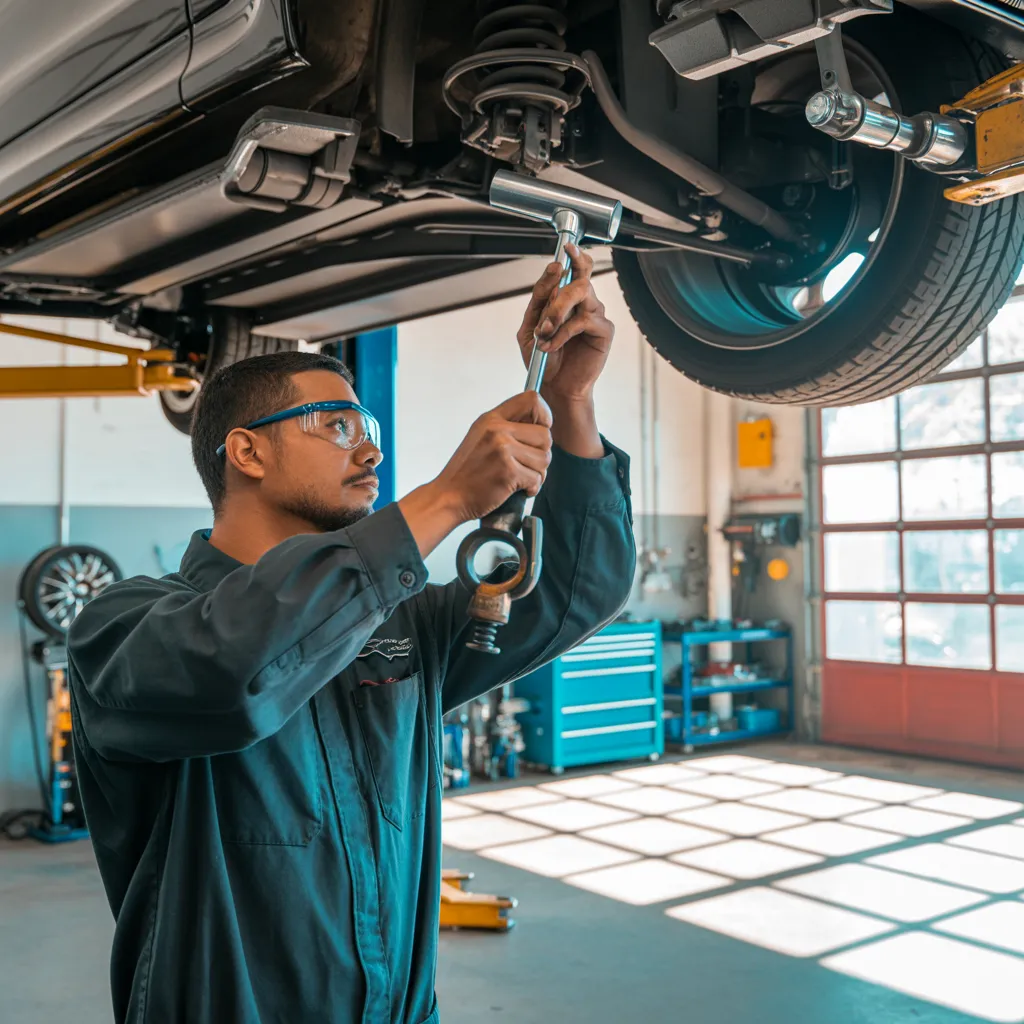
Recognizing When Your Car Needs Maintenance
How can one figure out when a vehicle requires attention? There are key clues that suggest a maintenance need. Strange noises, such as grinding or squeaking, often suggest issues with brakes or engines. Warning lights on the dashboard, especially the check engine light, should never be ignored, as they show potential problems that require immediate investigation. Furthermore, a decrease in performance, such as sluggish acceleration or difficulty starting, can also indicate underlying mechanical problems.
Visual cues, such as fluid leaks or irregular tire degradation, are additional warnings that maintenance is needed. If the vehicle pulls toward one direction while driving, this could suggest misalignment issues or tire defects. Regularly observing these components can help ensure timely servicing, preventing greater harm and financial burden in the coming years. All things considered, being vigilant and proactive is essential for maintaining automotive wellness.
How to Seek out a Trustworthy Auto Repair Shop
Discovering a solid auto repair shop can be tough for vehicle owners. To get started, people should seek recommendations from friends, loved ones, or work colleagues. Direct experiences often deliver important information into a shop's quality of service. Online reviews and rankings on platforms like Yelp or Google can likewise help assess customer satisfaction.
Next, validating endorsements and partnerships with recognized industry organizations, such as the Automotive Service Excellence (ASE), can highlight a shop's investment in quality benchmarks. It is advisable to visit potential shops for an initial consultation, allowing owners to review cleanliness, organization, and customer service.
Furthermore, acquiring documented quotes before any work commences can avoid misunderstandings regarding costs. Finally, a reliable shop should be open about its services and able to explain repairs. By adhering to these steps, vehicle owners can increase their chances of finding a reputable auto repair shop.
The Importance of Consistent Car Upkeep
While many vehicle owners may overlook regular maintenance, regular vehicle maintenance is essential for guaranteeing a car's longevity and peak performance. Neglecting maintenance can result in a cascade of issues, from minor inconveniences to significant breakdowns. Routine checks, such as oil changes, tire turns, and brake checks, can avoid expensive maintenance and enhance safety on the road.
Moreover, regular maintenance helps maintain a vehicle's gas mileage, lowering overall operating costs. It also maintains the selling price; a well-maintained car is often more appealing to prospective buyers.
Engaging in scheduled upkeep creates a sense of responsibility among owners, encouraging them to remain aware about their vehicle's needs. By stressing regular care, vehicle owners not only safeguard their purchase but also contribute in overall road safety. Ultimately, consistent vehicle maintenance is a forward-thinking approach that advantages both the owner and the wider community.
Comprehending Fix Pricing
Grasping repair expenses often seem difficult for car owners. Numerous aspects contribute toward these costs, involving labor fees, component pricing, and the degree of complexity involved in the repair work. Labor fees change markedly based on region and shop, commonly showing the technician's background and the facility's overhead. Moreover, the variety of components applied—if OEM or aftermarket options—can substantially determine the ultimate bill.
Vehicle type and years also contribute to costs; less common or older models may need specialized parts that are pricier and more difficult to find. Moreover, unexpected issues can occur during repairs, resulting in extra expenses that were not originally expected. By acquiring general awareness of such considerations, vehicle owners can address repair assessments with greater confidence and establish well-reasoned conclusions regarding their vehicle requirements.
How to Effectively Describe Car Issues to Your Mechanic
Communicating car problems clearly to a technician can greatly enhance the diagnosis and restoration procedure. When describing issues, car owners should be specific about symptoms, such as unusual noises, vibrations, or warning lights. Offering information on when the issue occurs—whether during acceleration, braking, or idling—can also help the technician pinpoint the issue.
It is useful to track any new changes in driving habits or repair records. Using clear, straightforward language eliminates ambiguity, assisting the repair specialist to understand the circumstances better. Owners should avoid using complex terminology unless they are sure of its sense.
Additionally, providing records, such as service records or previous repair invoices, can provide context. A focused description not only assists with swift diagnosis but also builds a collaborative relationship between the car owner and the mechanic, ultimately leading to effective repairs.
Developing a Long-Lasting Relationship With Your Auto Repair Shop
Forging a extended relationship with an auto repair shop relies on trust and transparency. Consistent premium service builds this connection, while open communication channels guarantee that customers believe they are valued and heard. As a whole, these elements create a working relationship that helps both the customer and the mechanic.
Foster Trust Using Honest Disclosure
When clients feel well-informed about the tasks their vehicles need, trust naturally develops between them and their auto repair shop. Transparency in communication is important; it allows customers to understand the justification behind recommended repairs and maintenance. Auto repair shops that provide clear explanations, accurate estimates, and open discussions establish a sense of trust among their clientele. This openness not only simplifies the repair process but also empowers clients to make informed decisions. Furthermore, sharing information about the shop’s qualifications, warranties, and service history enhances credibility. By prioritizing transparency, auto repair shops can cultivate lasting relationships, encouraging return business and customer loyalty. Ultimately, trust through transparency lays the foundation for a more satisfying and reliable auto repair experience.
Reliable Quality Service
Consistent quality service is the foundation of a lasting relationship between customers and their vehicle repair center. When customers receive reliable and efficient repairs, they are more likely to return for future discussion maintenance. This trustworthiness cultivates trust, allowing customers to feel confident in the competence of the technicians. Over time, as customers see the same excellent quality being upheld, a sense of dedication develops. Quality checks carried out regularly and conformance to industry standards guarantee that vehicles are not only repaired but also kept in good condition to forestall subsequent problems. Such devotion to excellence creates an atmosphere where customers feel valued, knowing their vehicles are in competent hands. Ultimately, this commitment to consistent quality service strengthens the bond between auto repair shops and their clientele.
Establish Messaging Pathways
Effective communication serves as an essential connection between patrons and their auto repair shops, enhancing trust and comprehension. Open communication pathways establish a collaborative atmosphere where patrons feel valued and informed. When repair shops deliver lucid explanations regarding work performed, costs, and timeframes, customers can make better decisions about their automobiles. Consistent updates during repairs can ease apprehension and forge confidence in the shop's proficiency. On the other hand, patrons who express their concerns and preferences contribute to a more personalized experience. This two-way exchange not only strengthens relationships but also encourages loyalty. By prioritizing open communication, auto repair shops can create a name for reliability, making certain that patrons return for subsequent needs, confident in the service they will receive.
Frequently Addressed Questions
What Can I Do if My Car Fails Suddenly?
When a car malfunctions abruptly, the driver should securely move to the roadside, turn on hazard lights, assess the situation, and call for roadside assistance or a tow service if needed. Remaining composed is crucial.
How Can I Verify if a Mechanic Is Ethical?
To establish a mechanic's credibility, one should examine reviews, ask for referrals, verify qualifications, and ensure transparency in pricing. A reliable technician will communicate clearly and offer thorough descriptions of required maintenance and solutions.
Are warranties provided on auto repairs?
Several auto repair shops offer guarantees on their work and components, typically spanning 90 days to several years. Customers should inquire regarding specific terms and conditions to guarantee adequate protection for their repairs.
What Must-Haves Should I Have in My Car for Emergency Situations?
A properly equipped car should contain a spare tire, jack, jumper cables, flashlight, first aid kit, essential tools, and tire pressure gauge. These critical items help ensure safety and resolve minor issues during unexpected emergencies on the road.
What Can I Do to Prepare My Car for Seasonal Changes?
To get ready a car for weather transitions, one should check liquid amounts, check tires for tread and pressure, test the battery, replace wipers, and make sure lights operate as intended for optimal safety and efficiency.